We’ve been on both sides of the handoff.
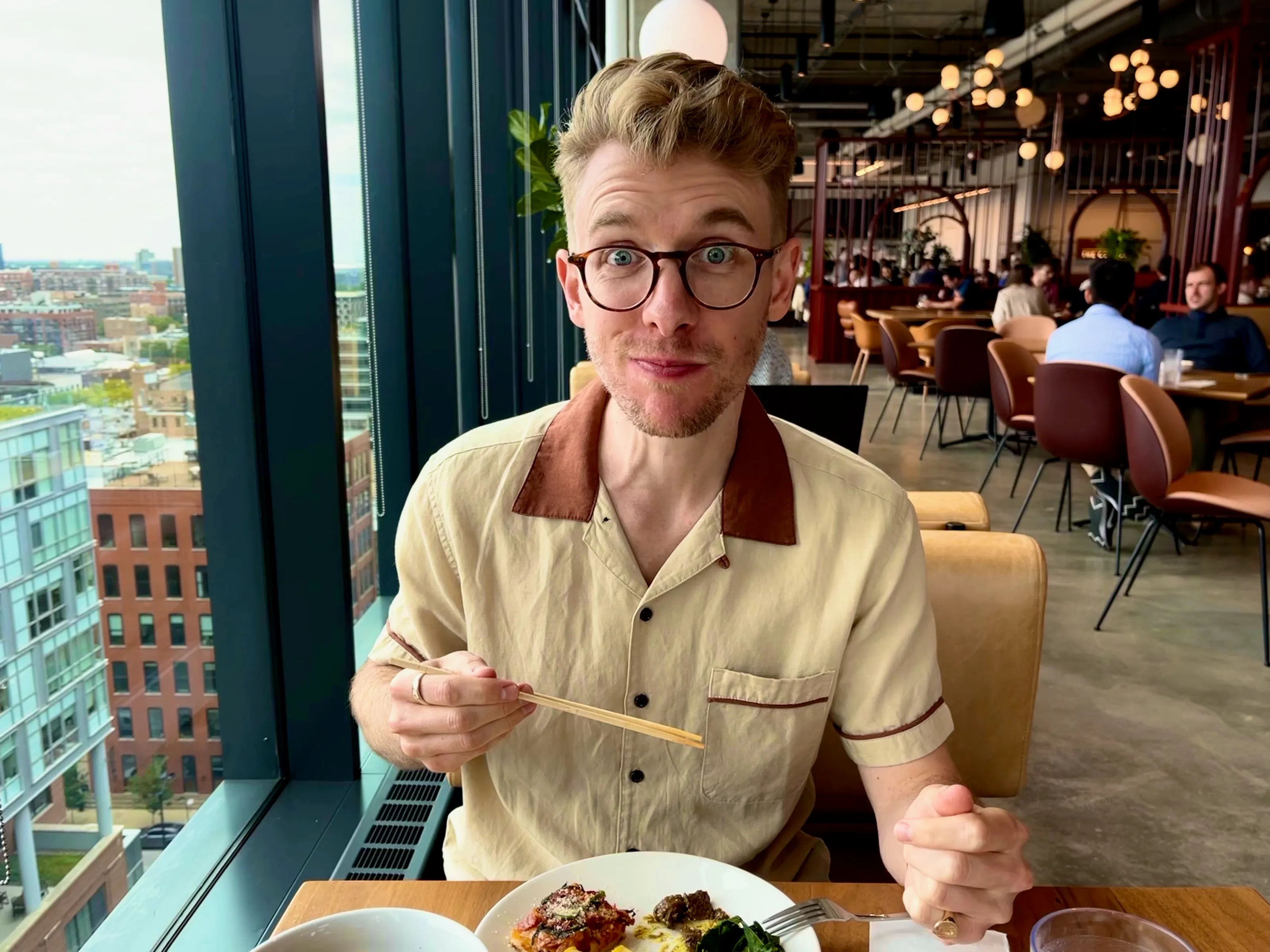
SUPERBOLD Design Lab is a design studio in Chicago, led by Tom Zeien. Small on purpose: one lead on every project, specialists brought in by name, and the same people in the kickoff call and the QA call months later.
A designer who can read a repo will estimate the ambitious idea instead of hoping for it. A designer who has read the business case knows which empty state is worth a week. Most of what design loses, it loses at the borders between disciplines, and the cheapest way across a border is someone who has worked on both sides of it.
The fewer handoffs, the less gets lost.
Ideas travel further when nobody has to translate them.
Tom’s career runs across front‑end development, design, product management, and design leadership. What that buys is pricing and confidence: the cost of a decision is visible while it’s still a decision and not at build time. A designer who knows what a component costs to build doesn’t draw the version that gets cut in week three and the distinctive move survives when the person proposing it can both estimate and value it correctly.
The habits cross over as well. A brand handled the way a front‑end engineer handles a component library comes out more consistent and far easier to extend than one shipped as a folder of files.
Five arguments we will make on your project, so you know them before the first call.
-
The system is the deliverable.
A redesign fixes a symptom for about a year. A system changes what the next hundred decisions cost. When a client asks for a redesign, we’re usually building the thing that makes the next one unnecessary.
-
The blank page is the easy version.
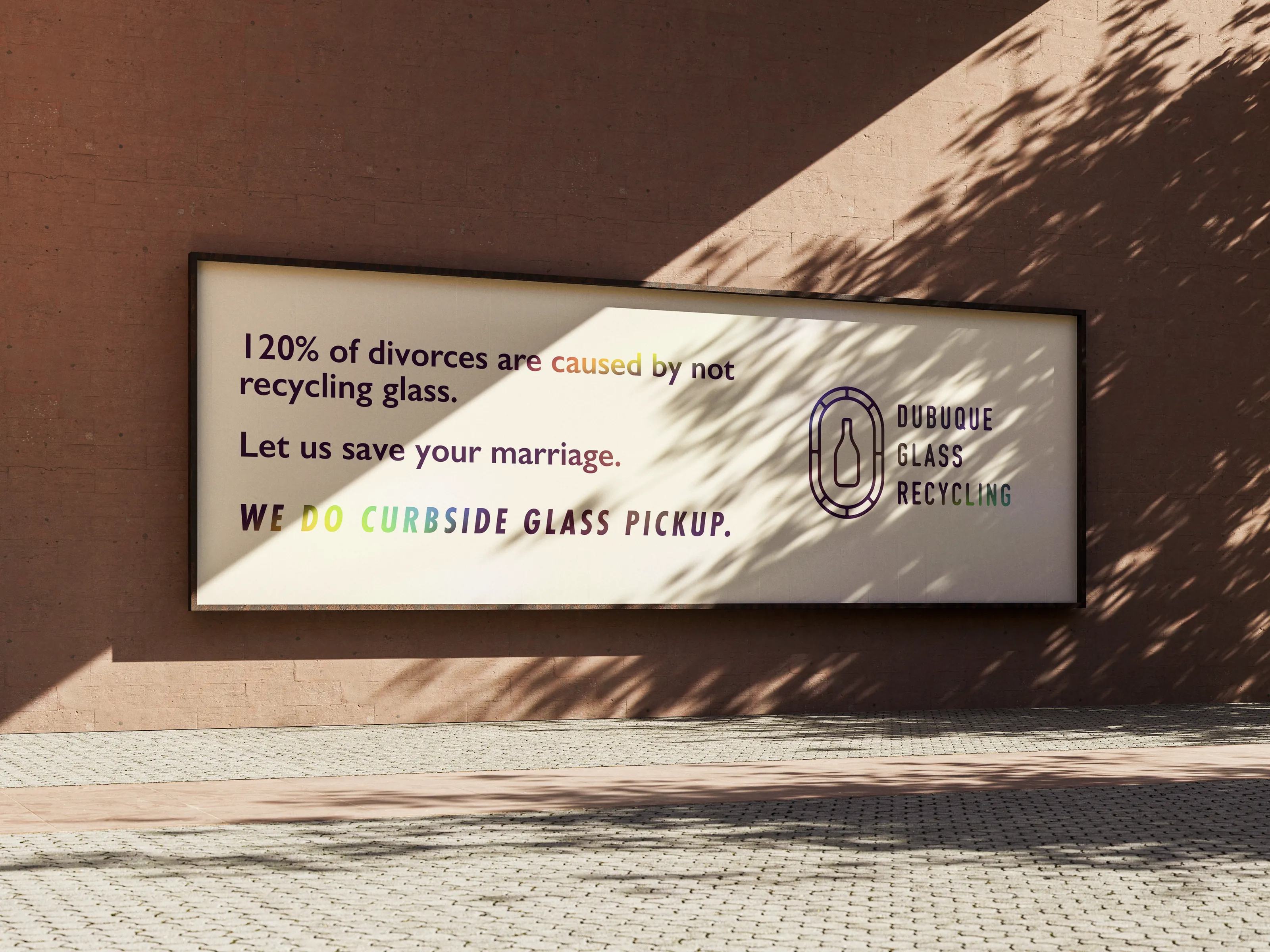
Almost all real design work is renovation. There are already users, revenue, and 18 months of decisions nobody wrote down. The best work we’ve made came out of a hard limit: a platform that wouldn’t move, a brand guideline that fought the usability need, a sign that had to be legible and catchy at 40 miles an hour in an Iowa winter.
-
Most of what people see was never designed.
The empty state, the error, the screen with 400 rows on it, or the name that runs to 60 characters. These rarely get drawn, so they get invented under deadline by whoever is closest to the keyboard. We account and design for them because on a bad day they are the product.
-
Make the right answer the fastest answer.
Whoever is nearest the deadline makes the design decision and they make it in the time they have. A button gets built wrong because finding the correct one took four minutes and inventing one took thirty seconds. Most of the work in a system is closing this gap so the right answer becomes the fastest answer. A rule that is slower than the workaround is a rule nobody follows.
-
Draw it in the browser.
An argument about a layout can run three weeks in a deck and 20 minutes in a browser, so we prototype the hard parts early, at real width, with real content in it to de-risk and move forward as quickly and confidently as possible.
Four kinds of work we turn down.
None of these is about the budget or the client. Each one describes a setup where the work reaches the world degraded no matter who takes it, so taking it would mean charging for the part we can’t do.
Work where we can’t reach the people who make it.
A design survives its build because somebody asked the engineer what it would cost while it was still a sketch. Without access to those engineers or the folks who will apply it, the drawing gets reinterpreted by people we never met, and what ships is their reading of it.
Handoffs that end with a file.
Every project carries the route the work takes to the people who keep it: tokens, a documented system, working templates, or time pairing with the team that inherits it. Without that route, a folder of files moves the cost onto whoever opens it next.
Redesigns that don’t need to happen.
A lot of what arrives as a redesign is four small fixes wearing a big project’s clothes. Maintenance has no home in most budgets, so one large proposal becomes the only way to fund six small ones. When that’s what the first few weeks turn up, we say so and scope the small version instead.
Projects with no one who can say yes.
Design by committee lands on whichever option nobody objected to, which is rarely the strongest one on the table. We ask early who signs off and what that person can decide alone. When the answer is a group of people and a consensus requirement the distinctive move is dead before anybody starts the work.
Background
Tom has over 15 years on digital products and the brand systems around them. Most recently a design system and site redesign for a music retailer selling to individual players and school districts, plus product design inside enterprise design systems at national scale, through agency partners including Arro Labs and affinityUX.
Recent engagements
- West MusicDesign Lead — design system & site redesign, 2026
- Scene+Product design via Arro Labs, 2025
- Golf PrideProduct & brand via Arro Labs, 2025
- Dubuque Glass RecyclingName, identity, illustration, and site, 2025
- Great Wolf ResortsProduct UX & research, 2019-2025
Disciplines
- Design systemsFoundations, components, tokens, governance
- Product & UXFlows, interface design, prototyping, research
- Brand identityMarks, systems, applied identity
- Front‑endHTML, CSS/SCSS, enough JS to prototype honestly
- EnvironmentsSignage, wayfinding, interiors
Self‑initiated
- BookmarkiOS reading app — designed, built, shipped
- Nice Things GuideBrand and build, live
Details
- Chicago, IllinoisRemote, and on site when it matters
- University of Wisconsin – Madison2009
- AvailabilityA small number of engagements at a time. Ask and we’ll tell you what the calendar looks like.
Let’s find out if this is a fit.
30 minutes, no charge, no deck. Tell us what you’re working on and we’ll say honestly whether we’re the right studio for it.